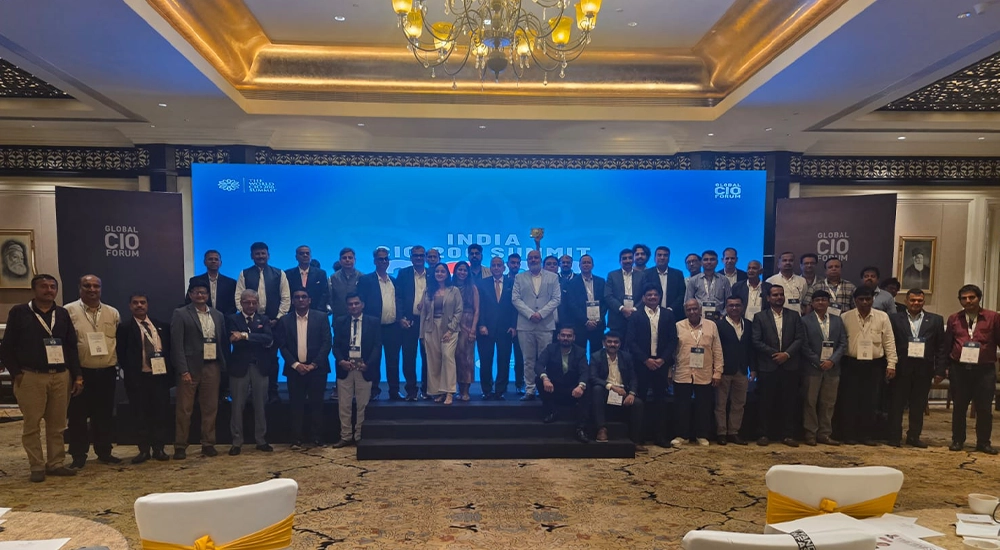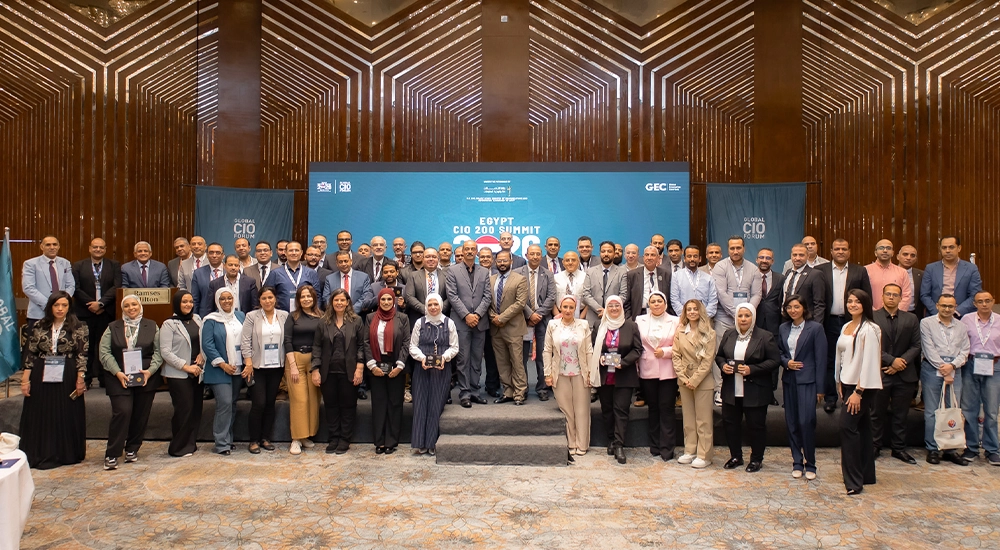
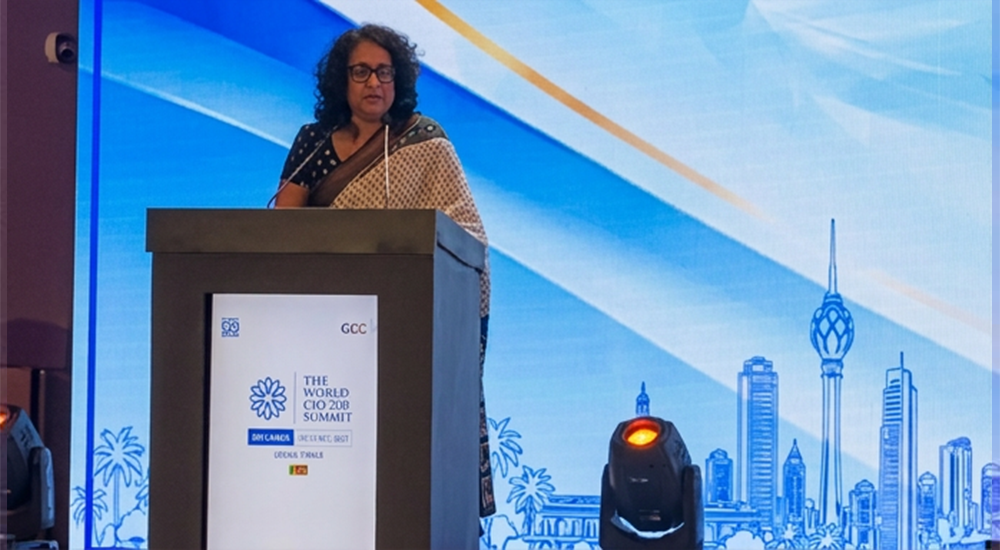
At the Global CIO Forum’s World CIO 200 Grand Finale 2026 in Colombo, Dr Harini Amarasuriya, Prime Minister of Sri Lanka, set out a programme built on a national digital ID, a data exchange and new payment infrastructure, and invited the global technology community to help build a digital state measured by how much easier it makes life for the people using it.
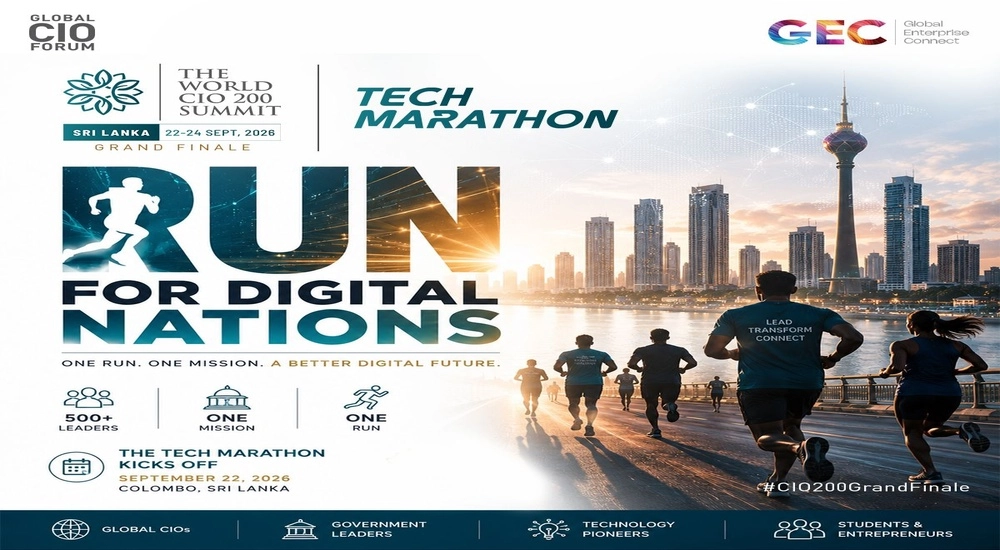
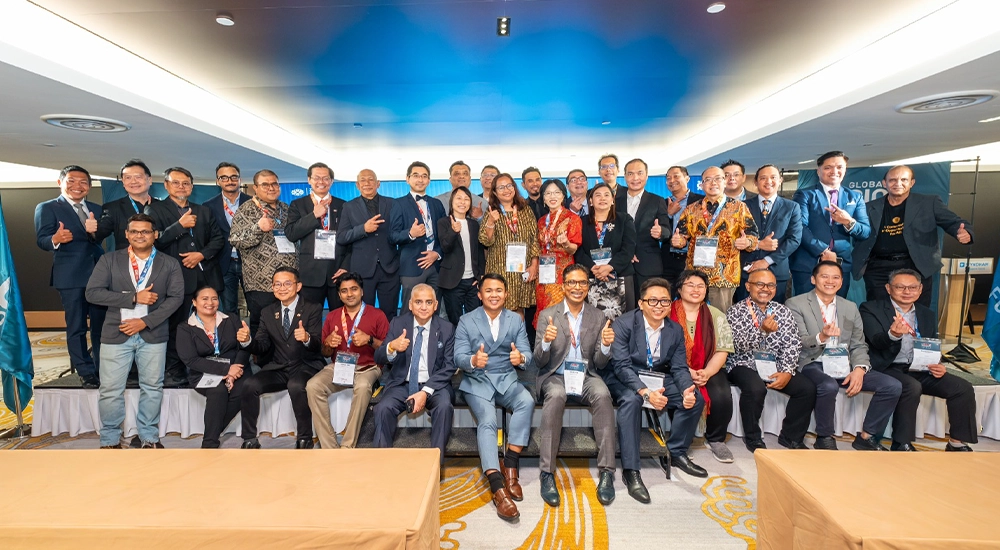
Four years after the economic crisis of 2022, Sri Lanka welcomed technology leaders from around the world to Colombo for the Global CIO Forum’s World CIO 200 Grand Finale, an event the country’s government helped to organise as a showcase for its recovery and its digital ambitions.
H.E. Dr Harini Amarasuriya, Prime Minister of Sri Lanka, who also holds the education portfolio, used her address to explain how a country that has rebuilt its footing over the past 2 years now intends to use technology to carry that recovery further. The lessons of the crisis, she told delegates, had shaped her government’s priorities, and the next stage of growth would rest on a digital state whose benefits reach every citizen.
The address covered the ground expected of a head of government at an international technology summit, with programmes, investment priorities and an invitation to partner. What gave it distinction was the measure of success she chose.
Amarasuriya asked the audience to judge her government by the difference its systems made in people’s lives, a standard that puts shorter waiting times, simpler procedures and wider participation at the centre of the country’s digital plans.
Sri Lanka’s technology exporters grew through the recovery and now lead the country’s pitch to the world
Amarasuriya opened with the industry that has become one of the country’s most dependable sources of growth. She said the technology sector generates around US$1.5 billion a year and supports a workforce of roughly 75,000 professionals, spanning software engineering, business and knowledge process services, fintech, artificial intelligence, cybersecurity, cloud, data analytics and other digital services. Sri Lankan companies, she said, already serve customers in global markets.
The momentum is visible in official data too. The Central Bank of Sri Lanka, which records a narrower category of computer and IT-enabled services, reported that the sector’s export earnings rose 6.7% to US$848 million in 2024. Industry body SLASSCOM continues to set ambitious targets for export revenue and job creation, and the government’s digital agenda is designed to give that growth a stronger foundation at home.
A digital ID, a data exchange and new payment rails will bring public services to citizens’ fingertips
The core of the agenda Amarasuriya described is the infrastructure of a modern digital state. Her government is developing a digital identity system, a national data exchange and digital payment infrastructure, alongside a broader transformation of how government services are delivered. The aim is to make public services more accessible, secure, efficient and accountable. The digital ID will allow citizens to prove who they are and transact with the state electronically, while the data exchange is designed to enable secure, interoperable sharing of information across government institutions, with safeguards in place, so that a citizen can complete in one visit what once took several.
Amarasuriya described the change as a move towards a citizen-centred digital state, in which government is organised around the needs of the people it serves. She was specific about the outcomes she expects people to feel: easier access to services, fewer unnecessary procedures, shorter waiting times and greater transparency and accountability in how the state deals with the public.
“Technology, as I said, must improve people’s lives,” she said. She tied that principle to economic participation, arguing that digital systems can widen access to opportunity and strengthen public services, particularly for people who have long been kept outside the formal economy.
Sri Lanka intends every community to share in the gains of its digital economy
Amarasuriya gave considerable attention to inclusion, describing it as central to the transformation succeeding. She said the digital divide would be addressed directly so that the benefits of technology reach the whole country.
“Access to connectivity, digital skills and services should not and cannot depend on where a person lives, their income, their language or their gender,” she said.
She singled out women, arguing that closing the gender digital divide means ensuring women take part in the creation, use and governance of technology, and said the government intends to equip them with the skills to participate fully in the digital economy. Language received similar attention. Services built to work in Sinhala, Tamil and English, she said, would ensure that every community can benefit equally from the country’s digital progress.
Sri Lanka will adopt artificial intelligence with citizens’ trust built in from the start
Amarasuriya, a sociologist by training, spoke with openness about approaching artificial intelligence as a policymaker, and set out clear principles for how her government will use it. Innovation, she said, will go hand in hand with accountability, fairness, transparency, privacy and respect for human rights.
“AI must augment human capabilities and decision-making, while ensuring that people are able to understand, question and challenge the decisions that are made,” she said.
She explained that as more public services move online, citizens will be able to rely on their data being collected and used responsibly, with data protection and cybersecurity laws providing the assurance. Sri Lanka passed its Personal Data Protection Act in 2022, and its provisions are being brought into force in phases.
“Trust will be very important,” she said.
The investment opportunity reaches from startups and small firms to global research centres
Amarasuriya credited universities, professional bodies, entrepreneurs and technology companies with building the sector’s strength, and noted that industry associations such as SLASSCOM represent a broad community of firms, many of them small and medium-sized enterprises led by young founders. She argued that businesses of every size should be able to adopt technology and compete, giving the digital economy a wide base.
The government is creating conditions that welcome international investors and technology companies to establish operations and research and development centres in Sri Lanka, and to support its startups. She named software development, artificial intelligence, cybersecurity and data science as priority areas, and said the objective was to attract investment that builds lasting partnerships, transfers knowledge and creates opportunities for Sri Lankans.
Her argument on economics returned to her own ministry. She described the country’s people as its greatest resource and said young Sri Lankans would be equipped to create technology as well as use it.
“We therefore need to invest in digital skills across our education system and the workforce,” she said.
Government is reorganising itself to deliver the digital agenda as one system
Amarasuriya said the transformation extends to how government itself works. Her administration is strengthening its capacity to lead and coordinate digital transformation across ministries and agencies, and she described a move beyond standalone digital projects towards systems that work together across government. For delegates who lead integration programmes inside large organisations, it was among the most familiar and encouraging commitments in the speech.
She closed with a set of invitations. She welcomed technology companies, research institutions and universities to pursue research collaboration and knowledge exchange with Sri Lankan counterparts, and asked the international technology community to see the country as a partner in innovation. She encouraged delegates to use their time in Colombo to meet Sri Lanka’s companies, innovators and people, and expressed the hope that the relationships formed at the event would continue to grow long after it.
Amarasuriya returns to the subject on 13 October, when she delivers the keynote at the Ceylon Chamber of Commerce’s Sri Lanka Economic and Investment Summit in a session titled “Nation Building in the Digital Age”, carrying the agenda she presented to the world’s CIOs to the business community at home that will help deliver it.